Match the Atlantic City facade, soil, and appearance goal
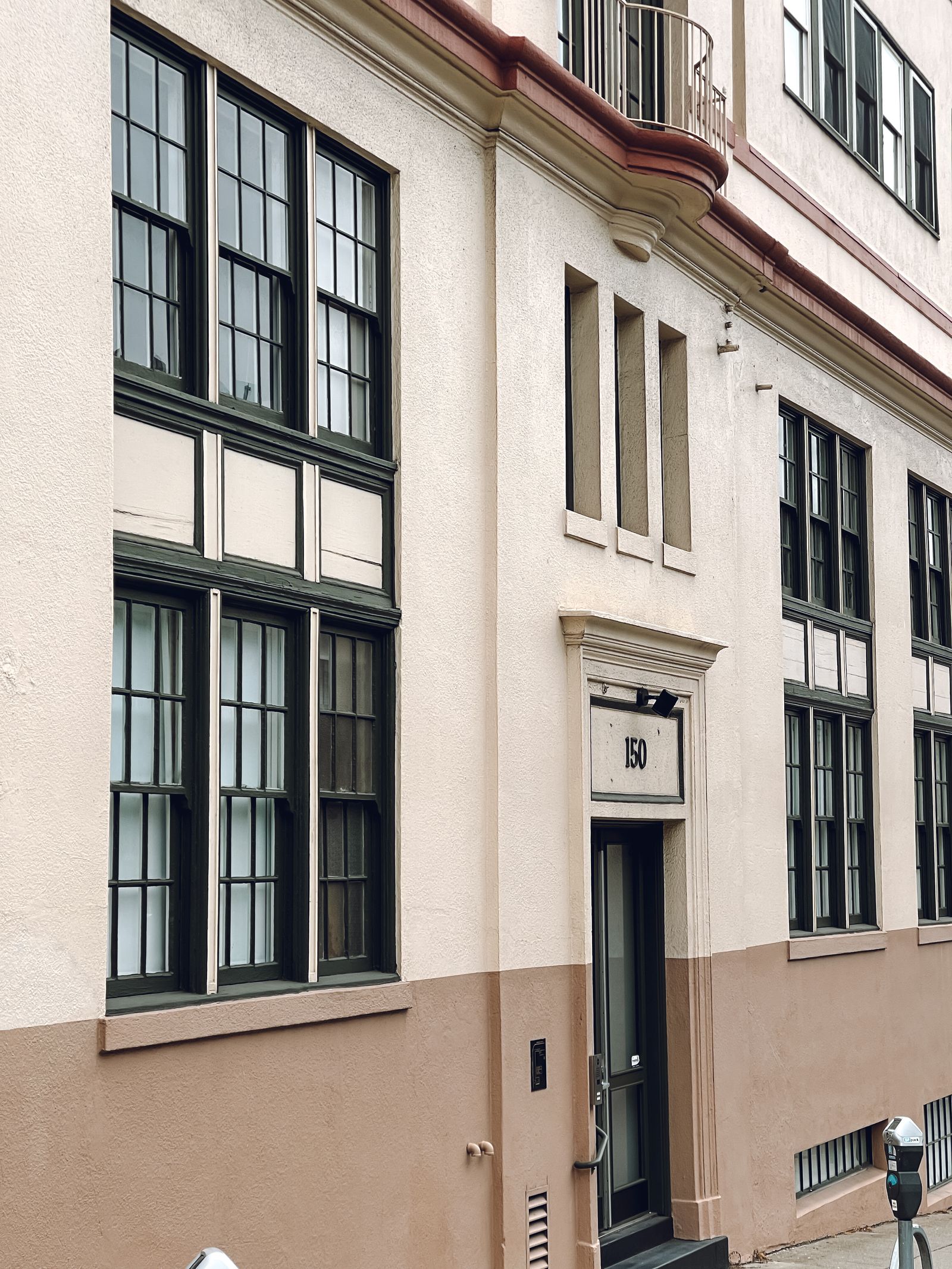
Atlantic City commercial properties can combine brick and mortar, stucco, EIFS, precast concrete, painted block, metal panels, glass, tile, stone, canopies, sealants, balconies, and older repairs. A casino or resort may have broad tower elevations above a busy porte-cochere, while a Chelsea storefront may have a low facade, awning, sidewalk seating, and neighboring entrances close together. A building near the Marina District may show wind-driven salt and water marks, while a service elevation along Absecon Boulevard may collect truck film, road dust, and splash soil. The material and the source of the mark should guide the process, not the size of the pressure washer.
A compatible soft-wash process may help with selected algae-like growth, mildew, pollen, bird residue, and atmospheric soil after evaluation and testing. It is not a repair for open mortar, cracked stucco, failed sealant, spalled concrete, corrosion, peeling coatings, leaks, efflorescence, or damaged flashing. A dark streak can be organic growth, salt, mineral residue, oxidation, exhaust, or a roofline drainage problem. A representative test area helps set expectations when a property manager needs a uniform guest-facing finish or wants to distinguish routine cleaning from restoration, hard-water removal, glass detailing, or repair work.
- Separate tower walls, lower storefronts, canopies, balconies, glass, metal, and hardscape.
- Identify salt film, organic growth, bird residue, exhaust, splash, mineral deposits, and damage.
- Define whether the goal is a seasonal reset, recurring maintenance, inspection readiness, or a guest-facing improvement.
- Keep failed joints, leaks, coating failure, oxidation, and restoration outside routine washing unless specifically scoped.
Work around casinos, hotels, restaurants, and occupied routes
Atlantic City hospitality properties rarely have a quiet front elevation. Boardwalk-facing hotels and casino resorts may coordinate around guests, valet lanes, rideshare queues, luggage, outdoor terraces, conference arrivals, security posts, gaming-floor schedules, and cleaning crews. A restaurant on the Boardwalk or Atlantic Avenue may have outdoor seating, delivery access, and a narrow sidewalk. Medical, office, and residential-adjacent properties in Chelsea or Ducktown may need accessible routes kept open while a wall or canopy is treated. A work plan that ignores those details can create more disruption than the cleaning is worth.
Before the quote is finalized, the property team should identify guest entrances, employee entrances, loading zones, fire lanes, outdoor dining, smoking areas, cameras, air intakes, pool equipment, deliveries, events, and the person who can pause the work. A resort may phase the porte-cochere separately from a rear elevation. A storefront may be cleaned before opening while a service wall is completed during a delivery gap. The scope should state sequencing, barriers, signage, hose paths, handback expectations, and the communication path for unexpected pedestrian or vehicle movement.
Plan for shore weather, salt, and nor'easter conditions
Atlantic City's coastal exposure puts salt and wind-driven moisture on glass, railings, metal trim, signs, painted panels, masonry, and roofline details. The Boardwalk and beachfront elevations can resoil differently from an inland-facing wall toward the Westside or a building farther along the Black Horse Pike. Humidity, shade, cold-season dampness, summer heat, and covered entries affect dwell, drying, slip risk, and the point at which a cleaned section can be inspected. Recurring maintenance should reflect exposure and the property's appearance standard rather than promise the same interval for every elevation.
Nor'easters, strong gusts, coastal storms, lightning, heavy rain, and rapidly changing conditions can affect spray control, aerial stability, pedestrian safety, and runoff. Salt or sand may move back onto a recently cleaned surface after a weather event. Work may need smaller zones, a weather hold, protected equipment staging, and a dry inspection after the wall settles. The quote should identify wind and precipitation stop conditions, rescheduling expectations, and what happens when a storm changes the soil or access condition before the planned return visit.
Treat access as a property logistics decision
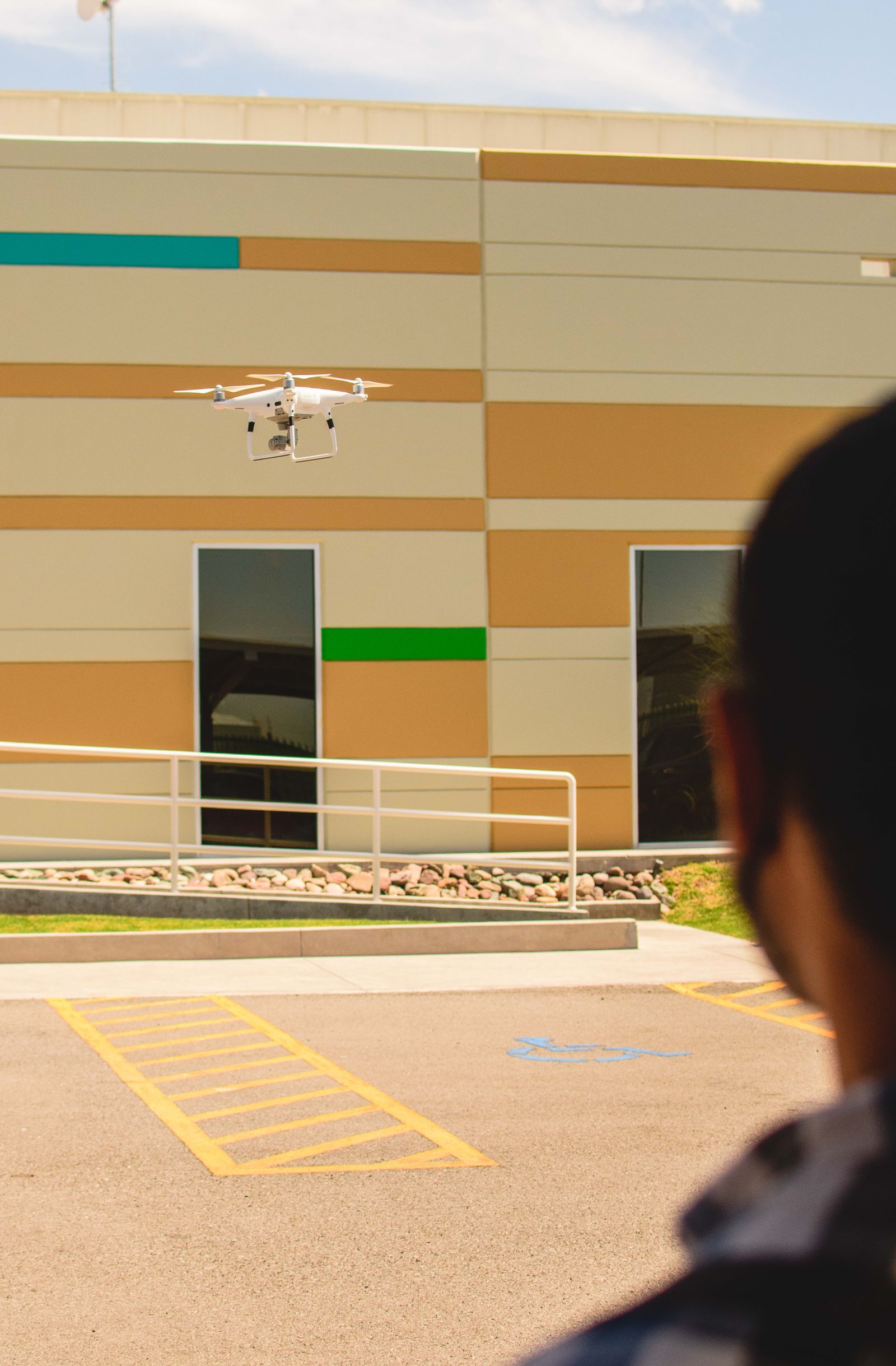
Upper elevations around the Boardwalk, casino towers, parking garages, and Marina District buildings may invite a high-access conversation, but height alone does not determine the right method. Wires, cranes, signs, balconies, rooftop equipment, neighboring towers, narrow sidewalks, active roadways, beach wind, and public gatherings can make one elevation workable and another unsuitable. Drone-assisted application or rinsing may support selected broad wall areas when stand-off distance, launch and recovery space, line of sight, wind, airspace, and public separation can be controlled. Doors, frames, ledges, canopies, trim, salt deposits, and stubborn spots may still need a lift, water-fed pole, or hand detail.
Atlantic City International Airport, nearby heliport activity, casino operations, emergency response, cranes, and event traffic can affect an aerial or high-access plan. Commercial drone operations must comply with applicable Federal Aviation Administration requirements and obtain any required authorization; property permission does not replace aviation rules. A useful proposal names the elevations proposed for aerial support, the spotter and communication plan, the emergency stop procedure, and the backup method if conditions change. A mixed access plan can protect both the finish and the property's operating schedule.
Control runoff near inlets, sidewalks, landscaping, and the bay
Atlantic City's flat shore setting, paved lots, Boardwalk approaches, garage ramps, curb inlets, and tidal or stormwater connections make water movement important. A casino entrance can send rinse water toward a public sidewalk; a service lot can carry soil toward a grate; a Marina District property may have sensitive landscaping, docks, or low areas; and a storefront may have no room to stage hoses away from guests. Before applying water or chemistry, map drains, low points, doors, air intakes, electrical equipment, planted areas, vehicles, neighboring property, accessible paths, and emergency routes.
The correct controls depend on the product, soil, rinse volume, slope, drainage, and local requirements. They may include plant protection, diversion, collection, recovery, filtration, reduced flow, or coordination with the responsible property or authority. A storm drain is not automatic permission to discharge wash water. The closeout should leave walking surfaces dry and safe, document completed elevations, identify remaining salt, mineral, coating, or repair conditions, and record any weather or access deviation. That gives ownership a maintenance record it can use for the next seasonal service or capital-planning conversation.
- Locate curb inlets, low points, landscaping, garage ramps, air intakes, doors, and electrical equipment.
- Confirm public sidewalks, Boardwalk approaches, guest routes, deliveries, and accessible paths.
- State the intended water-management approach and the condition that stops work if flow or weather changes.
- Photograph completed zones and note deposits, damaged coatings, failed joints, or areas needing contact detail.
Request an Atlantic City quote built around the building
A useful commercial soft-washing proposal should identify materials, elevations, visible soil, included features, method by zone, access, water assumptions, weather limits, operating window, intended finish, exclusions, and closeout documentation. It should distinguish broad facade washing from high-detail glass, salt or hard-water residue, oxidation, construction film, graffiti, canopy work, garage cleaning, and repairs. If drone assistance is considered, the scope should explain where it may help and what alternate access applies if wind, airspace, public activity, or finish requirements make it unsuitable.
Send the Atlantic City address, wide and close photos, approximate height, priority elevations, known materials, desired result, preferred dates, water access, drainage concerns, and restrictions involving guests, events, deliveries, tenants, security, or public routes. A site review or test area may be appropriate before final pricing. We can quote a one-time appearance improvement, a phased casino or hotel exterior program, or recurring maintenance for a commercial property. Call +1 239-351-2897, email contact@dronebuildingcleaners.com, or use the quote form to start the conversation.