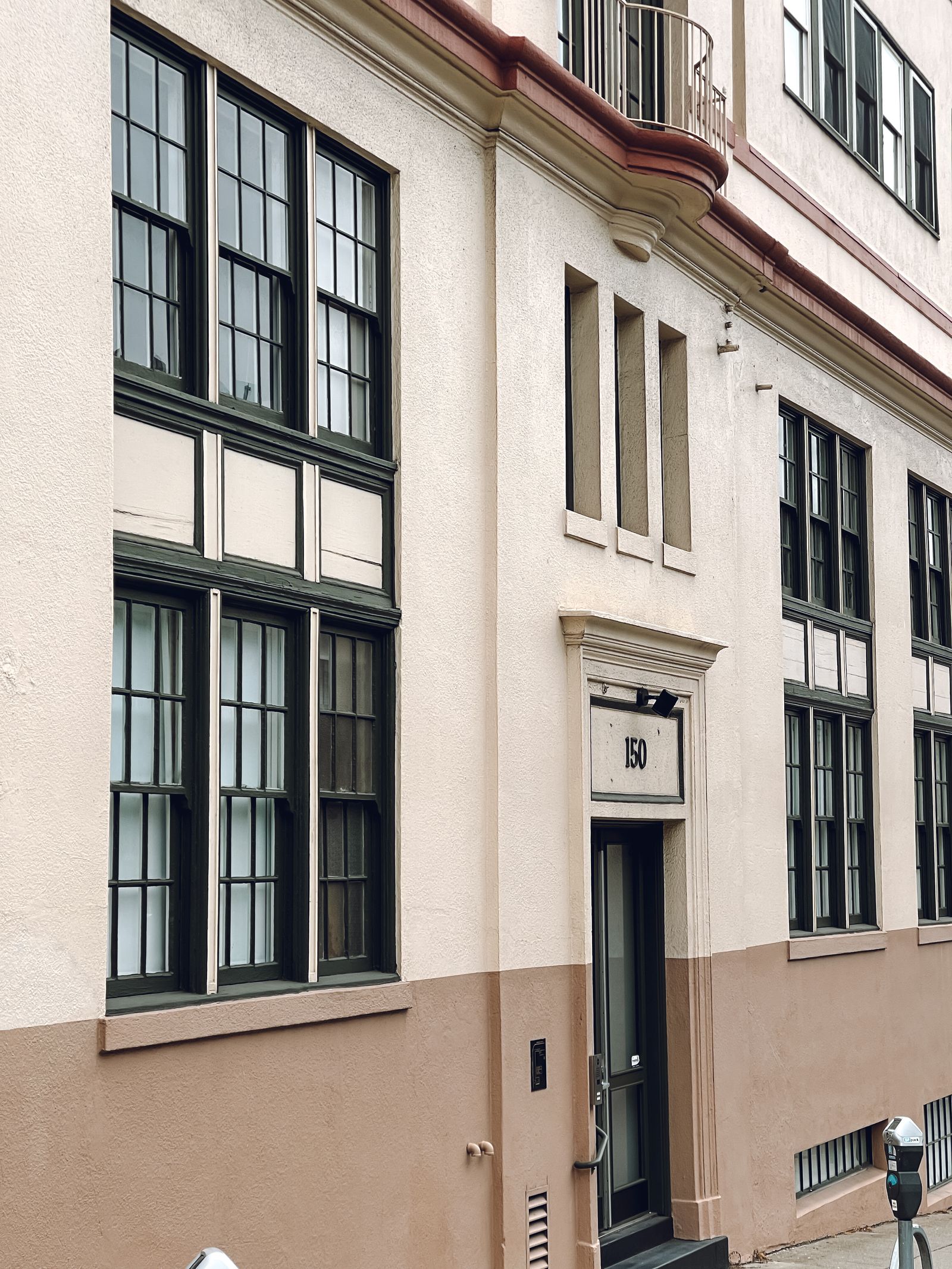
Start with the Atlantic City material and the cause of the mark
Soft washing generally relies more on compatible chemistry, dwell time, and controlled rinsing than on impact force. It may fit selected stucco, EIFS, masonry, painted concrete, and other tested surfaces affected by biological growth, pollen, bird residue, salt film, or atmospheric soil. Lower pressure can reduce some mechanical stress, but it does not remove risks from chemical strength, dwell time, temperature, wind, overspray, landscaping, or water entering failed joints. A Boardwalk-facing elevation may also need a different conversation than a wall protected from the ocean by the rest of the building.
Atlantic City buildings often combine a wall field with glass, balconies, tile, metal trim, sealants, decorative masonry, canopies, storefront frames, and painted signs. A process that suits a stucco tower wall may be wrong for a casino entrance, a restaurant awning, a garage ramp, or older mortar. First define the apparent soil and the intended outcome: recurring maintenance, organic-growth treatment, salt and atmospheric-film reset, inspection preparation, or specialty restoration. The proposal should say what is expected to improve, what may remain, and which condition belongs to another trade.
Pressure washing has a narrower but useful role
Pressure washing can fit selected durable concrete approaches, loading areas, service yards, parking structures, garage surfaces, and other hardscape zones when force, distance, flow, drainage, and nearby uses have been reviewed. It is not a universal method for an entire commercial facade. Excessive force can damage stucco, strip paint, etch softer stone, disturb mortar, break fragile trim, open a joint, or drive water behind a coating. A powerful machine says little about whether the operator chose the right pressure at the surface or protected the people and materials around it.
Lower elevations near Absecon Boulevard, the Black Horse Pike, and service alleys may carry road splash, sand, truck film, grease, and delivery soil, while upper elevations show salt, pollen, rain streaks, or organic growth. A mixed-method plan may use controlled pressure on a tested concrete apron and soft washing or a low-impact rinse on a compatible wall. Ask where pressure is proposed, why that substrate can tolerate it, how nearby doors and equipment will be protected, and what will be inspected after drying. Method separation is more credible than one setting for every surface.
- Use pressure only where the material, soil, distance, flow, and runoff support it.
- Keep facade walls, glass, painted trim, sealants, and hardscape decisions separate.
- Ask for a test area when coating age, mortar condition, or salt deposits are uncertain.
- Define the dry inspection and the standard for remaining oxidation, mineral scale, or damage.
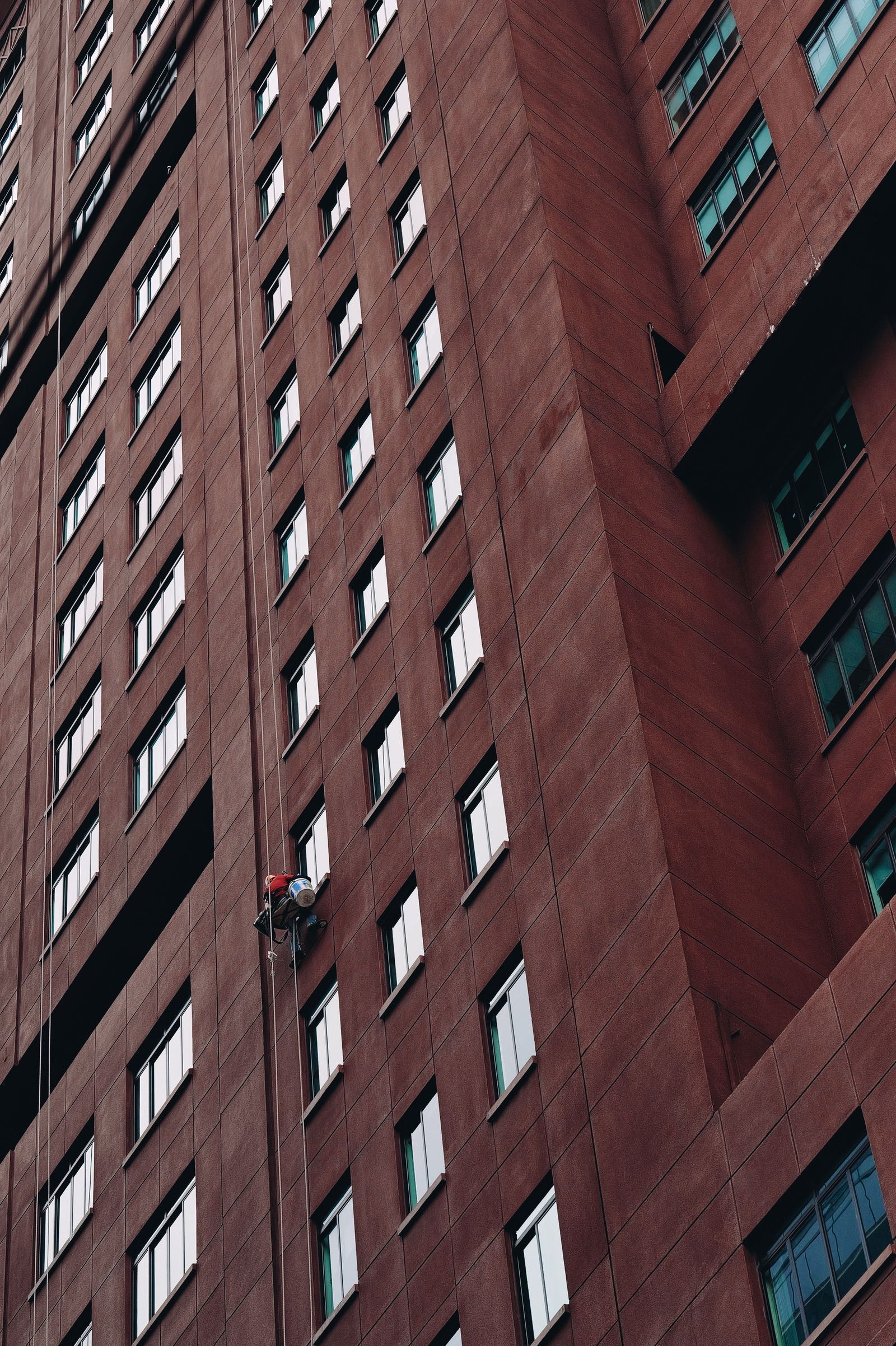
Atlantic City wind and salt can change the method
Coastal wind affects both methods. It can carry soft-wash mist toward guests, neighboring properties, landscaping, air intakes, or the Boardwalk; it can push rinse water across a sidewalk; and it can make a high-access or drone-assisted plan unsuitable. Salt film may be light and widespread on glass and metal, while organic growth or roofline streaking is concentrated in shade and moisture paths. A crew should identify wind exposure, shaded areas, roof drainage, public routes, and sensitive finishes before choosing chemistry, dwell, pressure, or sequence.
Cold-season dampness and nor'easter conditions can slow drying and make a cleaned area look different until it settles. Summer heat can speed evaporation on sun-facing walls and increase the need for smaller work zones. Rain, lightning, gusts, sand movement, and tidal or stormwater conditions can change a plan mid-day. A credible quote names weather limits, rescheduling rules, protection for salt-sensitive details, and the dry inspection rather than promising that a single visit will look identical in every condition.
Occupancy and access matter as much as cleaning chemistry
A casino or hotel may be open around the clock, with guest arrivals, valet, rideshare, events, outdoor seating, service deliveries, and security activity at the same elevation being cleaned. A restaurant may have a narrow public path and a hard opening time. A Chelsea office or Marina District property may need tenant access, parking, and emergency routes protected. Pressure adds splash, noise, and surface water; soft washing adds mist, chemical handling, rinse water, and overspray controls. The method should fit the operating window and the people using the property.
High elevations bring another decision. A lift, water-fed pole, rope-access specialist, ground-based hose, or drone-assisted application may each suit different sections. Drone use depends on wind, airspace, line of sight, stand-off distance, launch space, obstacles, and public separation. Atlantic City International Airport, heliport activity, cranes, event areas, and casino operations can affect the plan, and commercial operations must follow FAA rules. If aerial conditions fail, the proposal should already identify the alternate method instead of forcing a risky substitution.
Runoff is part of the Atlantic City method decision
A method is not complete when the wall looks clean. Atlantic City properties often have flat paved areas, curb inlets, garage ramps, public sidewalks, Boardwalk approaches, low lots, landscaped islands, and stormwater paths that can move water quickly. A pressure-cleaned service yard may carry sediment and grease; a soft-washed facade may produce treated rinse water; either can affect a public route or a neighboring area if the flow is not planned. Marina District properties may also have sensitive waterfront-adjacent surfaces and equipment.
Before work, map drains, low points, slopes, doors, air intakes, landscaping, vehicles, electrical equipment, guest routes, and emergency access. Depending on the product, soil, volume, and site requirements, controls may include diversion, collection, recovery, filtration, reduced flow, plant protection, or coordination with the responsible authority. Do not assume a visible storm drain authorizes discharge. Ask the contractor who owns the water plan, what stops the job, and how the finished route will be left safe and dry.
Use a quote to compare outcomes, not just methods
A useful Atlantic City comparison should list each elevation, material, visible soil, proposed method, access, water assumptions, protection, weather limits, operating window, intended finish, exclusions, and closeout standard. It should distinguish cleaning from oxidation removal, mineral or salt deposits, glass restoration, graffiti, coating work, canopy detailing, garage washing, and repairs. A lower-pressure approach is not automatically a soft wash, and pressure washing is not automatically wrong. The meaningful question is whether the selected process matches the tested surface and the property's real constraints.
Send photos and the address along with the priority elevations, approximate height, facade materials, desired result, work window, water access, drainage concerns, and restrictions involving guests, tenants, events, deliveries, security, or the public. Ask whether a test area or site review is recommended, what may remain after cleaning, how weather affects completion, and what alternate access applies if wind changes. For a property-specific discussion, use the commercial building soft-washing service page or request a quote through the contact route. A clear comparison makes approval easier for ownership, facilities, operations, and vendors.